Snow, ice, and road salt are brutal on your car's finish. Here's why professional ceramic coating is the smartest investment you can make before winter hits Baltimore.
If you've driven through a Maryland winter, you know the toll it takes on your vehicle. Between the road salt spread across every highway in Baltimore County and Harford County, the freezing rain, the slush, and the grime that seems to coat every surface of your car within minutes of leaving the driveway — winter is relentless. And all of that punishment lands directly on your paint, your clear coat, and your vehicle's long-term appearance and value.
Most drivers don't realize how much damage accumulates during a single winter season until spring arrives and they're staring at dull paint, water spots, and early signs of corrosion. That's where ceramic coating comes in. This advanced paint protection technology creates a durable, chemically bonded shield over your vehicle's factory finish — and it's specifically designed to handle everything a Maryland winter can throw at it.
What Is Ceramic Coating and How Does It Work?
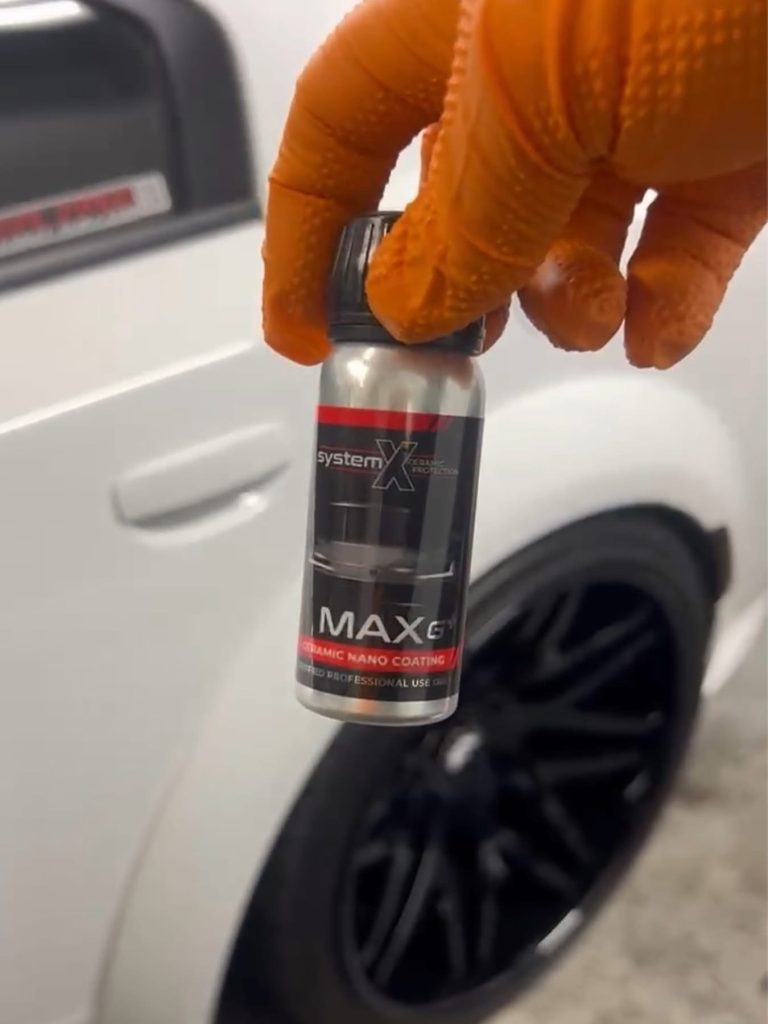
Ceramic coating is a liquid polymer applied by hand to the exterior surfaces of your vehicle. Once applied, it chemically bonds with the factory clear coat, forming a semi-permanent layer of protection that cannot be washed off or broken down by normal environmental exposure. Think of it as a second skin for your paint — one that's incredibly hard, slick, and resistant to chemical attack.
The key ingredient in most professional-grade ceramic coatings is silicon dioxide (SiO₂), which cures into a glass-like shell at the nanoscopic level. This creates a surface that is hydrophobic (water-repellent), chemically resistant, and far harder than your vehicle's clear coat alone. The result is a finish that actively repels water, dirt, salt, and road chemicals rather than absorbing them.
Unlike traditional wax or paint sealant that sits on top of the surface and wears away in weeks, a professional ceramic coating bonds at the molecular level and can last for years with proper maintenance.
Why Winter Is the Worst Season for Your Vehicle's Paint
Maryland winters present a unique combination of threats to your vehicle's exterior. Understanding these threats helps explain why ceramic coating is so effective as a winter protection strategy.
Road Salt and De-Icing Chemicals
Maryland DOT applies thousands of tons of road salt and brine solution across highways and local roads every winter. While these chemicals keep roads safe for driving, they're extremely corrosive to automotive paint, metal, and clear coat. Salt creates a chemical reaction with moisture that accelerates oxidation, leading to rust, paint bubbling, and clear coat failure. Routes like Belair Road, I-695, and I-95 are heavily treated throughout the season, meaning your vehicle is constantly exposed.
Freeze-Thaw Cycles
Baltimore's winters regularly swing between freezing and above-freezing temperatures. Water gets into microscopic imperfections in your paint and clear coat, freezes, expands, and then thaws — over and over again. This cycle gradually breaks down unprotected surfaces and opens the door for deeper damage.
Snow, Ice, and Slush
Scraping ice off your windshield and brushing heavy snow off your roof and hood may seem harmless, but it creates micro-scratches and swirl marks in unprotected paint. Slush thrown up by other vehicles on roads throughout Baltimore County and Harford County is a mixture of water, dirt, salt, and gravel — essentially liquid sandpaper hitting your vehicle at highway speeds.
UV Exposure
Many drivers assume UV damage is only a summer concern, but winter sun reflecting off snow and wet pavement can still degrade your paint. UV rays break down the molecular bonds in clear coat over time, leading to fading and oxidation.
How Ceramic Coating Fights Back Against Winter Damage
Salt & Chemical Resistance
The chemically bonded ceramic layer prevents road salt and brine from making direct contact with your paint and clear coat. Corrosive materials sit on top of the coating where they can be easily rinsed away, rather than eating into your finish.
Hydrophobic Water Repellency
Water beads up and rolls off a ceramic-coated surface instead of pooling and soaking in. This means snow and slush have a much harder time bonding to your paint, and ice removal becomes significantly easier.
Easier Winter Washing
Because contaminants can't bond to the slick ceramic surface, winter grime, salt film, and road spray rinse off with far less effort. You'll spend less time scrubbing and reduce the risk of wash-induced scratches.
Long-Term Paint Preservation
Ceramic coating shields your factory finish from oxidation, UV fading, and chemical etching — the three main ways winter degrades your vehicle's appearance. This helps maintain your car's resale value year after year.
Ceramic Coating vs. Wax vs. Paint Sealant: Winter Protection Compared
Many drivers rely on traditional wax or paint sealant to protect their vehicles. While these products provide some level of protection, they fall short when it comes to surviving the demands of a full Maryland winter. Here's how the three options compare across the factors that matter most during cold weather months.
| Protection Factor | Traditional Wax | Paint Sealant | Ceramic Coating |
|---|---|---|---|
| Durability | 1–3 months | 4–6 months | 2–5+ years |
| Road Salt Resistance | Minimal | Moderate | Excellent |
| Hydrophobic Performance | Good (fades fast) | Good | Superior (long-lasting) |
| Chemical Resistance | Poor | Moderate | Excellent |
| UV Protection | Moderate | Moderate | Superior |
| Ease of Cleaning | Somewhat easier | Easier | Much easier |
| Scratch Resistance | None | Minimal | Moderate (9H hardness) |
| Winter Reapplication Needed? | Every 4–6 weeks | Once mid-season | No |
| Ice & Snow Removal | Normal difficulty | Slightly easier | Significantly easier |
| Preserves Resale Value | Minimal impact | Some impact | Strong impact |
💡 The bottom line: Wax may last through a few weeks of winter driving. Paint sealant gives you a few months. But only a professional ceramic coating provides continuous, season-long protection against everything Maryland roads throw at your vehicle — without needing to reapply.
Why Fall Is the Best Time to Get Ceramic Coating in Maryland
Timing matters when it comes to ceramic coating. For the best results, you want the coating applied and fully cured before the first freeze of the season. Professional ceramic coatings require a controlled environment during application and a curing period of 24 to 48 hours, during which the vehicle should stay dry and above a certain temperature.
Getting your vehicle coated in the fall — ideally between September and early November — means your car rolls into winter fully armored. The coating has had time to cure and harden completely, so it's performing at full strength when road salt season begins in late November or December. That said, ceramic coating can be applied year-round in a climate-controlled shop, so even if you're reading this mid-winter, it's not too late to protect your vehicle for the rest of the season and beyond.
Maintaining Your Ceramic Coating Through Winter
Ceramic coating drastically reduces the maintenance your vehicle needs during winter, but it doesn't eliminate it entirely. To get the maximum lifespan and performance out of your coating during the cold months, follow these practices.
Wash your vehicle regularly — every one to two weeks — to prevent heavy salt and grime buildup. Even though the coating prevents these contaminants from bonding, letting them sit for extended periods can still dull the hydrophobic effect over time. Use a pH-neutral car shampoo rather than harsh detergents, which can degrade the coating's top layer. Avoid automated car washes with spinning brushes, as these create micro-scratches that can compromise the coating. A touchless wash or a careful hand wash is always the better choice.
After washing, dry your vehicle thoroughly with a clean microfiber towel. In freezing temperatures, any standing water can turn to ice, so drying quickly is important. If you want to boost the coating's hydrophobic properties mid-season, a SiO₂ spray sealant applied as a topper will refresh the surface and add an extra layer of slickness.
Professional Application vs. DIY: What Maryland Drivers Should Know
You'll find DIY ceramic coating kits online for a fraction of the cost of professional application. While these products can provide some short-term protection, they come with significant limitations that matter for winter driving. DIY coatings typically use lower concentrations of SiO₂ and don't bond as deeply or last as long as professional-grade formulas. Application errors — uneven coverage, high spots, or insufficient surface preparation — can result in a coating that looks streaky and fails prematurely.
Professional ceramic coating application starts with thorough paint correction, including clay bar treatment, polishing, and decontamination. This ensures the coating bonds to a perfectly clean, smooth surface, which is critical for long-term adhesion and performance. A professional installation gives you a coating that performs at its peak for years, not months — which is exactly what you need to survive multiple Maryland winters.
Get Your Vehicle Winter-Ready at Ideal Image Auto Salon
Serving Baltimore County, Harford County, and the greater Baltimore area from our shop at 7901 Belair Road in Nottingham, MD. Professional ceramic coating, paint correction, and full detailing services.
Schedule Your Ceramic Coating →Frequently Asked Questions About Ceramic Coating and Winter
Does ceramic coating prevent rust?
Ceramic coating protects your vehicle's painted surfaces from the corrosive effects of road salt and de-icing chemicals, which are the primary causes of rust on exterior panels. By preventing these chemicals from bonding with your paint and clear coat, it significantly reduces the risk of corrosion starting on coated surfaces. However, it's important to note that ceramic coating is applied to exterior paint — it doesn't protect unpainted undercarriage components. For complete winter protection, consider adding an undercoating treatment alongside ceramic coating.
Can I apply ceramic coating in the winter?
Yes. Professional ceramic coating can be applied year-round when done in a climate-controlled shop. The key requirement is that the vehicle stays in a dry, temperature-stable environment during the curing process (typically 24–48 hours). At Ideal Image Auto Salon, our indoor facility allows us to apply ceramic coatings regardless of the weather outside.
How long does ceramic coating last through Maryland winters?
A professionally applied ceramic coating typically lasts between two and five years depending on the product grade, driving conditions, and how well it's maintained. With proper washing and occasional maintenance boosters, many coatings easily survive multiple full winter seasons while continuing to perform at a high level.
Is ceramic coating worth the investment?
When you factor in the cost of repeated waxing, the time spent scrubbing salt and grime off an unprotected vehicle, and the potential expense of paint correction or rust repair down the road, ceramic coating offers excellent long-term value. Vehicles with well-maintained exteriors also tend to retain higher resale values, making the upfront cost a smart investment in your vehicle's future.
Does ceramic coating make snow and ice removal easier?
Absolutely. The hydrophobic surface created by ceramic coating means snow and ice can't bond as tightly to your vehicle's paint. Snow slides off more easily, ice is simpler to clear, and you won't need to scrape and scrub as aggressively — which also means fewer scratches from winter cleanup.
Protect Your Investment Before the Next Maryland Winter
Your vehicle is one of the biggest investments you own, and Maryland winters don't go easy on it. Ceramic coating gives you a proven, long-lasting line of defense against road salt, ice, chemical exposure, and all the daily abuse that comes with driving through a Baltimore-area winter. It keeps your paint looking better, makes maintenance easier, and helps preserve your car's value for years to come.
At Ideal Image Auto Salon, we provide professional ceramic coating services along with paint correction, full detailing, and window tinting for drivers across Baltimore County, Harford County, and the greater Baltimore area. Our shop is located at 7901 Belair Road, Nottingham, MD — and we're ready to help you get your vehicle winter-ready. Contact us today to schedule your ceramic coating appointment.