
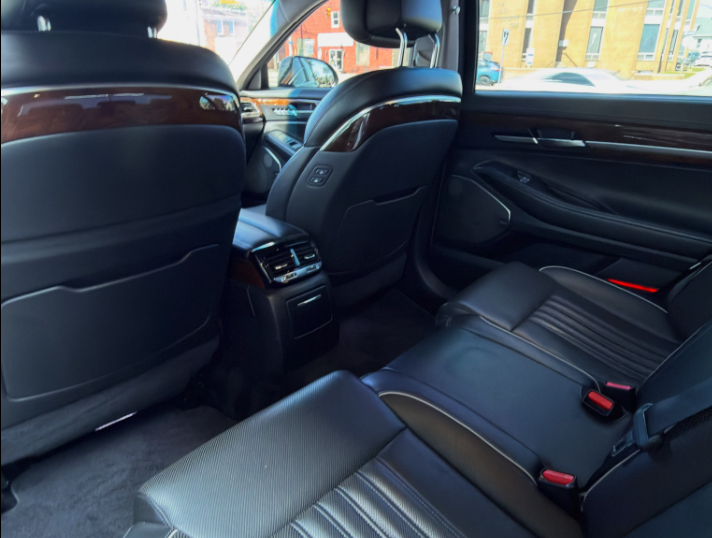
Everyone talks about protecting paint from winter salt. Almost nobody talks about what winter does to your car's interior, which is why so many drivers open their doors in April to find cracked leather, faded plastics, salt-stained carpets, and a persistent musty smell they can't quite locate. Interior winter damage is real, cumulative, and largely preventable, but the window to address it properly is closing every day fall progresses. Here's what actually happens inside your car during a Maryland winter and how to get ahead of it while there's still time.
The Interior Damage Nobody Talks About
When drivers think about winter car damage, they picture rust, salt-eaten rocker panels, chipped hoods, and dulled paint. All real. But your vehicle's interior takes just as much of a beating over five months of winter driving, and most of the damage happens in ways that aren't obvious until spring. By the time you notice, it's often already permanent.
Cold, dry heated cabin air pulls moisture out of leather, vinyl, and plastic throughout every trip. Salt tracked in on shoes works its way into carpet fibers where it acts like sandpaper and holds moisture against the metal underneath. Wet clothing leaves stains and mildew. Snow melting from boots creates trapped moisture that develops odors. Condensation on cold windows contributes to overall cabin humidity that never fully evaporates. And unlike summer's UV damage, which mostly affects surfaces you see every day, winter damage often shows up first in the areas you don't inspect until you're already looking at spring cleaning.
Interior winter damage is quiet and cumulative. You don't see it happening. You see the result in April when the leather is cracked, the carpet is stained, and the smell won't go away.
What Winter Actually Does to Your Interior
Six specific mechanisms attack your vehicle's interior during a Maryland winter. Understanding what's happening helps clarify why simple cleaning isn't enough and why the pre-winter window matters so much.
Dry Cabin Air
Heated air holds less moisture. Relative humidity inside a warm cabin often drops below 20 percent, which pulls moisture from leather, vinyl, and plastic. This causes cracking, fading, and permanent damage over the winter.
Cold Temperature Stress
Cold makes leather and plastic less flexible. Interior surfaces that flex easily in summer become brittle in winter, cracking under normal use like getting in and out of the vehicle or adjusting seats.
Salt Tracked in on Shoes
Road salt sticks to boots and shoes, then transfers to floor mats and carpets. Salt residue attracts moisture, stains carpet fibers, and can corrode metal underneath if it reaches the floor pan through gaps in mats.
Trapped Moisture and Mildew
Snow melting from boots, wet clothing on seats, and general winter humidity create trapped moisture in carpet and upholstery. Without adequate ventilation, this leads to mold, mildew, and persistent musty odors.
Condensation on Glass
Warm breath meeting cold glass forms condensation that runs down window frames and headliners. This contributes to overall cabin moisture and can cause staining on cloth headliners and door trim over time.
Heater Drying Leather
Vents blowing hot air directly at leather panels (especially on driver's door and center console) accelerate drying and cracking. Higher heat settings compound the damage. Most drivers never notice until damage is already done.
Full interior restoration after winter damage (leather repair, carpet extraction, mildew treatment, odor neutralization) can run into thousands of dollars. Fall prevention costs a fraction of that and takes hours instead of days.
The Leather Conditioning Window Is Now
Here's a specific timing point that most articles miss: leather conditioning is significantly more effective when applied to warm leather in fall than to cold leather in winter. Once leather is cold, it doesn't absorb conditioner as effectively. The molecules that keep leather supple and moisturized penetrate best when the material is warm and pliable.
This means a leather conditioning treatment applied in September or October provides substantially more protection than the same treatment applied in December or January. Fall applications penetrate deeply into the leather grain, restoring moisture and building up UV inhibitors that carry through winter. Mid-winter applications sit more on the surface and provide less lasting protection.
Combined with the fact that heated cabin air begins pulling moisture from leather the moment temperatures drop enough to run the heater, this creates a real (not manufactured) urgency to condition leather before Maryland's first cold snap. Every day you wait after mid-October gradually reduces how much benefit the treatment delivers.
Run your hand across your leather seats and dashboard. If the surface feels tight, dry, or has any visible fine cracks starting to form, the leather is already asking for conditioning. Fall treatment can prevent those fine cracks from becoming permanent damage. Ignored, they'll spread through winter.
The Seven-Step Interior Winterization Checklist
Here's a comprehensive checklist for getting your interior ready for winter. Some steps you can handle yourself. Others benefit from professional service. Either way, working through this list before the first cold snap sets your interior up to survive winter without accumulating permanent damage.
1 Deep Vacuum Everything
Start with a thorough vacuuming that reaches under seats, along seat rails, in door pockets, in cup holders, and along the trunk perimeter. Summer sand from beach trips, food debris, pollen, and general dust all provide moisture-holding contamination that will compound winter damage. This is the foundation that everything else builds on.
2 Steam Clean Carpets and Upholstery
Steam cleaning lifts embedded contamination that vacuuming alone cannot reach. This removes summer stains and residue that would otherwise stay locked in throughout winter, and eliminates the biological contamination (bacteria, allergens) that contributes to musty odors. Especially important for family vehicles with kids or pets.
3 Condition Leather Before Cold Sets In
Apply quality leather cleaner followed by conditioner to all leather surfaces (seats, steering wheel, gear shift, door panels). This is the single most time-sensitive step. Warm leather absorbs conditioner far better than cold leather, so completing this step in September or October delivers dramatically better results than waiting until winter.
4 Treat Dashboard and Trim
Dashboard, door panels, and plastic trim need UV-blocking dressing applied before winter to prevent drying and cracking from cold air. Water-based dressings deliver natural finish without the greasy look of older silicone products. Include often-forgotten areas like the top of the dashboard directly under the windshield.
5 Apply Fabric Protector on Cloth Surfaces
For vehicles with cloth or fabric upholstery, spray-on fabric protector creates a barrier that repels liquid stains, salt spray, and moisture. This is what keeps a wet coat sitting on a passenger seat from creating a permanent stain. Application takes an hour and typically provides four to six months of protection.
6 Install All-Weather Floor Mats
Swap out cloth or thin factory mats for heavy-duty rubber or EVA all-weather mats designed to catch salt, slush, and mud on the surface where it can be easily removed. This single change prevents the most common source of permanent carpet damage during Maryland winters. Get mats specifically designed for your vehicle model for proper fit.
7 Check Cabin Air Filter and Weatherstrips
Replace the cabin air filter if it's approaching the end of its service life. A clogged filter reduces HVAC efficiency and contributes to musty cabin smells. Apply silicone-based protectant to door and trunk weatherstrips to keep them flexible through cold weather (prevents freezing shut and improves seal against moisture).
Leather vs. Cloth: Different Winter Concerns
Different interior materials face different winter challenges. Understanding which one you have shapes what protection matters most.
Leather Interiors
Primary concern is drying and cracking from cold air combined with dry heated cabin conditions. Secondary concern is salt residue transfer from clothing to seat bolsters. Solution: pre-winter conditioning treatment plus regular wipe-downs during winter to remove any salt or moisture that reaches seat surfaces.
Cloth Interiors
Primary concern is stain absorption from wet clothing, salt spray, and spilled hot drinks. Secondary concern is trapped moisture leading to mildew and odors. Solution: pre-winter fabric protector application plus weekly vacuuming and immediate spot cleaning of any visible spills or stains.
Vinyl and Vegan Leather
Increasingly common in newer vehicles and Teslas. Similar concerns to leather but more resistant to moisture damage. Still requires conditioning to prevent cold-air cracking. Some vinyl products need specific cleaners and shouldn't be treated with traditional leather conditioner.
Alcantara and Suede
Common on higher-end vehicles and performance models. Very vulnerable to salt staining and moisture damage. Requires specialized cleaners and cannot be treated with standard fabric protectors. Professional treatment strongly recommended over DIY attempts.
Using the wrong cleaner or conditioner on your specific interior material can cause permanent damage. Leather conditioner on Alcantara ruins the fabric. Standard cleaners on vinyl can leave permanent stains. When uncertain, use products specifically labeled for your material or consult a professional.
This is one area where DIY mistakes are expensive to fix and where professional guidance more than pays for itself.
Family Vehicle Considerations
Vehicles that carry kids, sports gear, and everything else a Maryland family accumulates over a winter have specific interior challenges that fall prep should address.
Snow and Salt on Boots
Kids don't shake off boots before getting in the car. Every trip during winter deposits snow, salt, and slush directly onto floor mats and often onto seat edges. All-weather mats plus regular vacuuming are essential. Consider having a small dedicated brush in the car for quick mat cleaning.
Wet Sports Gear
Winter sports mean wet cleats, damp uniforms, and gear bags getting tossed in the back. Waterproof seat covers or trunk liners for the areas that see gear contact prevent this from becoming permanent staining and moisture damage over the season.
Cold-Weather Drinks and Snacks
Hot chocolate spills, coffee stains, and snack debris compound in winter when hands are cold and cups are harder to hold securely. Fabric protector on seats and pre-winter carpet treatment make these spills much easier to clean up before they set permanently.
Wet Coats and Winter Clothing
Kids often sit on wet or damp jackets during winter drives. This transfers moisture and any road salt from clothing directly to seats. Fabric protector on cloth seats and leather conditioning on leather seats both help mitigate this ongoing wear.
Pet Winter Debris
Pets in the car during winter bring in salt, snow, mud, and wet fur. Combined with pet hair that mixes with winter debris in carpets, this creates one of the harder cleaning challenges of the season. Seat covers designed for pet transport are worth the investment if pets ride regularly.
What Professional Interior Treatment Actually Includes
A comprehensive fall interior detail addresses everything on the checklist above in one visit, using professional-grade products and equipment that deliver deeper results than DIY typically achieves. Here's what to expect when you book a proper interior winter prep service.
Full extraction vacuuming. Professional-grade vacuums with narrow attachments reach areas that home vacuums cannot access. This includes under seat rails, deep in door pockets, along the trunk perimeter, and in every crevice where summer debris has accumulated.
Hot water extraction (steam cleaning). Injects hot water and cleaning solution into carpet and upholstery, then extracts it along with lifted contaminants. This removes embedded dirt, stains, allergens, and biological contamination that vacuuming alone cannot address. Essential for family vehicles.
Professional leather cleaning and conditioning. Uses pH-balanced cleaner appropriate for your specific leather type, followed by conditioning treatment with UV inhibitors. Applied to warm leather in fall for maximum penetration and lasting protection.
Dashboard and trim treatment. Cleans and dresses all plastic and vinyl surfaces including dashboard, door panels, center console, trim rings, and often-forgotten areas like pillar trim and headliner edges. Applies UV protection to slow cold-air cracking.
Interior glass and mirror cleaning. Interior glass typically has significant film buildup from summer heat off-gassing plastics. Professional cleaning removes this film and applies anti-fog treatment that reduces condensation issues during winter.
Cabin air filter check. Inspection of cabin air filter with replacement if needed. Fresh filter improves HVAC efficiency and helps prevent musty cabin odors that develop from trapped moisture.
Weatherstrip treatment. Silicone-based protectant on door, trunk, and window seals keeps them flexible through cold weather. Prevents doors from freezing shut and improves seal integrity against moisture intrusion.
This kind of treatment is one part of a broader fall winter prep strategy. Our comprehensive guide on getting ready for winter covers how interior work fits alongside exterior protection like ceramic coating and PPF.
Maryland-Specific Interior Considerations
A few Baltimore area factors specifically shape what your interior needs for winter.
Salt-heavy road treatments. Maryland uses aggressive salt and brine treatments on major highways. This means significantly more salt tracks into your vehicle through winter than in states with less aggressive road treatment. All-weather mats and weekly interior maintenance matter more here than in milder climates.
Freeze-thaw humidity variability. Baltimore winters aren't consistently cold. The alternating cold snaps and warmer periods create humidity fluctuations that can be harder on interior materials than sustained cold. Materials that would remain stable in continuous winter climate get stressed by the repeated cycling.
Highway commuting exposure. Daily drives on I-695, I-95, US-1, or I-83 mean sustained heater use, which sustains dry cabin air conditions. Vehicles used this way benefit most from thorough pre-winter conditioning to build up material reserves before continuous heater exposure.
Family vehicle intensity. Baltimore area families with kids in school, sports, and activities put significantly more winter interior wear on vehicles than lower-mileage use. Fall prep specifically anticipates this heightened use.
For thinking about how interior detailing fits into an ongoing rhythm, our guide on how often you should detail your car covers the broader maintenance schedule.
If you're already booking a fall interior treatment, this is the ideal window to also address any exterior winter prep needs. Combined interior and exterior fall service typically bundles more efficiently than separate appointments and gets the whole vehicle ready in one visit. Our end-of-summer detailing guide covers the exterior side in detail.
Book Your Interior Winter Prep While Leather Still Absorbs
Bring your vehicle by our shop in Nottingham for a full interior treatment before the first cold snap. We'll walk through what your specific vehicle needs, condition your leather while it still absorbs treatment properly, and set your interior up to survive winter without accumulated damage. No pressure, no upsell to a level you don't need.
Call 410-663-8468 Book OnlineServing Baltimore County and Harford County
Frequently Asked Questions
Leather conditioning is significantly more effective when applied before cold weather sets in. Cold leather doesn't absorb conditioner as well as warm leather, which means fall applications penetrate more deeply and provide longer-lasting protection than mid-winter applications.
Winter combines dry heated cabin air (often below 20% humidity) with cold exterior temperatures that pull moisture from leather from both directions. Without pre-winter conditioning, leather can crack, fade, and develop permanent damage that requires expensive restoration in the spring. Fall conditioning is prevention. Spring restoration is repair.
Yes, all-weather mats are one of the most cost-effective interior investments you can make before winter. Standard carpet floor mats absorb salt, brine, and slush tracked in on shoes, then hold that moisture against your vehicle's factory carpet.
This causes staining, fiber degradation, odors, and even corrosion to metal underneath. All-weather rubber or EVA mats trap and contain moisture on the surface where it can be easily wiped or hosed out. The cost of a set of all-weather mats is typically less than the cost of one professional carpet extraction to remove salt damage, and the mats last for years.
Winter damages car interiors through several mechanisms. Dry heated cabin air (relative humidity often below 20%) pulls moisture from leather, vinyl, and plastic, causing cracking and fading. Cold temperatures make these same materials less flexible and more prone to damage from stress or impact.
Salt tracked in on shoes stains carpets and can corrode metal underneath poorly protected floor mats. Snow and slush create trapped moisture that leads to mold, mildew, and persistent odors. Condensation on cold glass from warm breath contributes to interior moisture buildup. Wet clothing sitting on seats causes staining and moisture absorption.
For cloth or fabric upholstery, apply a fabric protector spray (like Scotchgard or similar) before winter to create a barrier against liquid stains, salt spray from wet clothing, and general moisture absorption. Cloth seats are more vulnerable than leather to visible staining but easier to protect proactively with the right treatment.
Regular vacuuming during winter removes salt crystals before they work into fibers. For extreme use cases like sports gear, work vehicles, or kids' seats, waterproof seat covers add another layer of protection. A pre-winter professional interior detail with fabric protector application typically provides four to six months of protection through the season.
Weekly vacuuming is ideal during Maryland winters, or immediately after tracking in significant salt, sand, or slush. Salt crystals left in carpet act like sandpaper against fibers with every foot movement, causing accelerated wear.
Salt residue also attracts moisture, which contributes to odors and can eventually cause corrosion to metal beneath the carpet. Even a quick vacuum focused on floor areas, driver's seat, and door sills makes a meaningful difference over the course of a winter. This is one area where staying ahead of the buildup is dramatically easier than trying to catch up in the spring.
A professional winter interior treatment typically includes thorough vacuuming (including under seats and in door pockets), steam cleaning of carpets and upholstery, leather cleaning and conditioning with UV-inhibiting products, dashboard and trim conditioning, cabin air filter check or replacement, weatherstrip and door seal conditioning, glass cleaning inside and out, and often application of fabric protector on cloth surfaces.
Comprehensive treatments may also include odor neutralization and vent cleaning. The goal is to reset the interior to a fully clean baseline and apply protective treatments before winter's harsh conditions accumulate damage over the season.
Questions About Your Specific Interior?
Different interior materials need different treatments, and every vehicle has its own combination of leather, vinyl, cloth, and trim. Give us a call or stop by our Nottingham shop, and we'll walk through your specific interior and recommend the right treatment approach. We serve drivers across Nottingham, White Marsh, Perry Hall, Bel Air, and the surrounding Baltimore County and Harford County areas.
Ideal Image Auto Salon
7901 Belair Road, Nottingham, MD · 410-663-8468
This article is provided for general informational purposes only. Interior treatment recommendations vary by material type, vehicle condition, and usage patterns. Professional consultation is recommended to determine appropriate treatments for any specific vehicle.