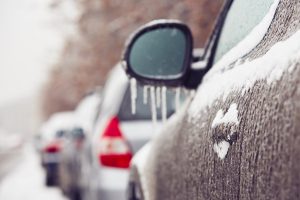

Winter conditions wear down your vehicle’s paint fast. Road salt, brine, slush, and grit stick to the surface. Cold weather makes washing harder, so contamination sits longer. Ceramic paint protection adds a durable barrier on top of your clear coat. It helps your paint stay cleaner, wash easier, and resist winter damage.
What Ceramic Paint Protection Is
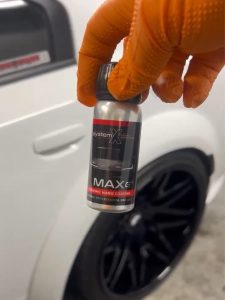
Ceramic paint protection is a liquid coating applied to your vehicle’s painted surfaces. Once it cures, it forms a thin, transparent layer that bonds to the clear coat. This layer becomes the new top surface of your paint. It does not replace careful washing, but it reduces how strongly grime sticks and improves resistance to winter chemicals.
How a Ceramic Coating Works
It bonds to your clear coat
After proper paint prep, the coating adheres to the clear coat and cures into a hardened film. This helps shield the clear coat from direct exposure to contaminants.
It creates a slick surface
The coating increases surface slickness. Snow, slush, and dirt struggle to cling as tightly. This helps you remove winter buildup with less rubbing, which helps reduce swirl marks.
It improves water behavior
Ceramic coatings change how water sits on the surface. Water beads and runs off faster, carrying loose dirt with it. This helps after snow melts into dirty water on your hood and roof.
It adds chemical resistance
Winter roads often involve salt and chemical deicers. Ceramic coatings help reduce staining and dulling caused by repeated exposure. You still need to rinse and wash, but the coating takes the abuse first.
Why Winter Is Hard on Paint
- Road salt and brine dry into a film that dulls gloss.
- Slush contains grit that scratches during removal.
- Freeze-thaw cycles create crusty buildup that leads to harder scraping.
- Washing becomes less frequent, so contamination sits longer.
Winter Benefits of Ceramic Paint Protection
1) Easier snow and slush removal
A coated surface releases snow faster. You use fewer passes with your snow tool, which cuts down on paint contact and scratch risk.
2) Less salt bonding to the paint
Salt and brine stick less aggressively to a coated panel. A quick rinse removes more contamination compared to unprotected paint.
3) Faster and safer washes
Because grime releases easier, you scrub less. Less scrubbing lowers the chance of adding swirl marks during winter maintenance.
4) Better gloss through the season
Winter film and residue make paint look flat. Ceramic protection helps keep the surface smoother and cleaner, so your paint holds shine longer between washes.
5) Added protection for high-touch areas
Door cups, trunk ledges, and edges around handles collect grime and get touched often. Coatings help these areas clean up faster and reduce staining.
What Ceramic Coating Does Not Do
- It does not make your paint scratch-proof.
- It does not stop rock chips.
- It does not remove scratches, you need paint correction first.
- It does not replace washing, it makes washing safer and easier.
Why Paint Prep Matters Before a Coating
A ceramic coating locks in the condition of your paint. If your clear coat has swirls, haze, or oxidation, those defects remain under the coating. Proper prep often includes decontamination and paint correction polishing. This gives you a clean surface for bonding and better final gloss.
How Long Ceramic Paint Protection Lasts
Durability depends on the product used, the install quality, and how you maintain it. Regular safe washes and periodic decontamination help the coating perform longer. Winter maintenance matters because salt and grime still sit on top of the coating if you ignore them.
Winter Maintenance Tips for Coated Cars
Rinse first, touch second
Use a high-pressure rinse to remove grit before you wipe or wash. This reduces the chance of dragging sand across the coating and clear coat.
Use proper wash tools
- Use clean microfiber wash mitts or multiple clean microfiber towels.
- Use a pH-neutral soap.
- Use a dedicated drying towel or a blower to reduce contact.
Focus on the lower panels
Rocker panels, wheel wells, and behind the wheels hold the most salt. Clean these areas often, even if the rest of the vehicle looks fine.
Avoid harsh brushes
Do not use dirty gas station brushes. They scratch coated and uncoated paint the same way.
Ceramic Coating vs Wax for Winter
Wax offers short-term protection and slickness. It works, but it fades faster under winter washing and chemical exposure. Ceramic coatings offer stronger chemical resistance and longer durability when applied correctly. If you want the best winter performance with less maintenance effort, ceramic protection is the stronger option.
When to Get Ceramic Paint Protection Installed
- Before winter starts, so the coating faces the salt season.
- After paint correction, if you want the highest gloss and clarity.
- After buying a new vehicle, to protect the finish early.
Protect Your Paint Before the Next Storm
If you want easier winter washes and better long-term paint protection, ceramic paint protection is one of the strongest options. It helps reduce salt bonding, improves clean-up, and keeps your vehicle looking better through the season.
If you want professional installation, look for a shop that includes proper paint prep, paint correction when needed, and clear aftercare instructions so the coating performs through winter.