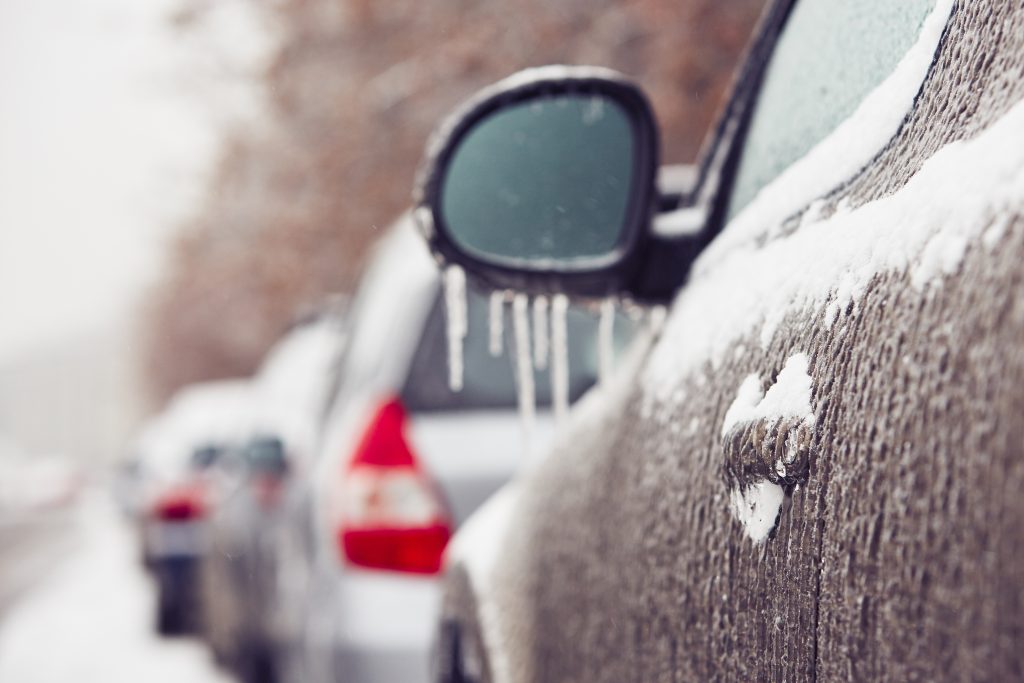
Snow and ice make driving harder and they also damage your vehicle over time. Road salt, frozen slush, and rough scraping leave swirls in clear coat, haze on glass, and buildup in wheel wells. Use the steps below to clean your car safely, protect your paint, and keep your visibility clear.
What You Need
- Foam snow broom or soft-bristle snow brush
- Plastic ice scraper with a clean, smooth edge
- Microfiber towels
- De-icer spray (store bought)
- Winter-rated windshield washer fluid
- Optional: spray bottle with 2 parts rubbing alcohol, 1 part water, for exterior glass only
- Optional: rubber seal conditioner or silicone spray for door seals
What to Avoid
- Hot water on frozen glass. Fast temperature change cracks windshields.
- Metal scrapers, shovels, or hard edged tools. They scratch paint and glass.
- Scrubbing salty slush off paint with a dry towel. Salt grit scratches clear coat.
- Using your wipers to clear heavy snow. You risk tearing blades and stressing the wiper motor.
- Hitting ice with force. Chipping often damages trim and pulls protection off paint.
Step-by-Step: Remove Snow Without Scratching Paint
1) Start the car and run defrost
Start the engine and turn on front and rear defrost. Give it a few minutes. Warm air loosens ice on glass so you scrape less and reduce scratch risk. Keep the fan at a steady setting to control fog.
2) Clear the roof first
Always clear the roof before the hood and windshield. Roof snow slides forward when you brake and blocks your view. It also blows onto other vehicles at speed.
3) Use a push motion, not a scrub
Use a foam broom or soft snow brush. Push snow off in long strokes. Do not grind bristles into the paint. If you hit compact snow, break it up with light pressure and push it off in layers.
4) Work top to bottom
Follow this order so you do not re-cover areas you already cleared.
- Roof
- Windows and mirrors
- Hood and trunk
- Upper doors
- Lower panels last
5) Clear lights, plate, and cameras
Wipe snow off headlights, taillights, brake lights, turn signals, and the license plate. Clear your backup camera and any driver-assist sensors. Snow on these areas reduces safety and triggers warning alerts.
6) Clear the tailpipe area
Remove packed snow around the exhaust outlet. A blocked tailpipe creates a serious safety risk. If snow drifts around the rear bumper, clear it before you idle or drive.
Step-by-Step: Remove Ice Safely
1) Let defrost soften the ice
Give the windshield time to warm. Scraping hard ice increases scratch risk and it often leaves micro marks in the glass over time.
2) Use de-icer on stubborn spots
Spray de-icer on the windshield, mirrors, and side windows. Wait 20 to 60 seconds, then scrape with light pressure. Do not rush the contact time. De-icer works best when it sits for a moment.
3) Scrape glass only with a plastic scraper
Keep the scraper flat to the glass. Use short strokes. Wipe the scraper edge with a microfiber towel often. A dirty edge drags grit across the window and leaves scratches.
4) Do not chip ice off paint
If ice bonds to the hood or roof, do not chip it off. You risk scratching clear coat and damaging trim. Warm the vehicle, then brush off loosened ice with a soft tool. If the temperature stays below freezing, move the vehicle into a garage or wait for a warmer part of the day.
5) Free frozen wipers the right way
- If you expect snow, lift wipers before the storm.
- If wipers freeze down, do not yank them.
- Run defrost until the base of the windshield loosens.
- Gently lift the wiper, then clear slush from the blade edge.
- Replace blades if they smear, chatter, or leave streaks after freezing.
Road Salt and Slush: How to Clean Without Swirls
1) Rinse first, then wipe
Road salt sticks to the lower half of your vehicle. If temps sit above freezing, do a quick rinse before any wiping. Start with wheel wells and rocker panels. This removes grit so you do not grind it into the paint.
2) Use a touchless wash during cold stretches
Touchless washes reduce contact on gritty paint. Choose a wash with an undercarriage rinse. Salt buildup under the vehicle accelerates corrosion, especially around suspension parts and seams.
3) Dry door jambs and seals
After a wash or melt, wipe door jambs, trunk seams, and rubber seals with a microfiber towel. Water in these areas refreezes and causes frozen doors.
4) Protect rubber seals
Apply a rubber seal conditioner or a light silicone spray to door seals. Wipe off any excess. This reduces sticking, tearing, and wind noise.
Fast Winter Cleaning Routine in 10 Minutes
- Start the car, run defrost.
- Clear the roof, then clear all windows and mirrors.
- Clear hood, trunk, then doors and handles.
- Clear lights, plate, backup camera.
- Kick loose ice behind wheels if it blocks tire movement.
- Check wipers, then top off winter washer fluid.
Before You Drive: Safety Checklist
- Windshield fully cleared, not a small view opening
- Roof cleared
- Mirrors cleared
- All lights cleared
- Backup camera cleared
- License plate visible
- Wipers move freely
How to Prevent Ice Buildup Next Time
- Use a windshield cover overnight.
- Park facing morning sun when possible.
- Apply a paint sealant or ceramic coating so snow releases faster.
- Keep a de-icer and microfiber towel in your trunk.
- Clean and protect door seals before heavy winter weeks.
When to Book a Professional Detail
Winter grime does more than look bad. Salt and film build up on paint, trim, wheels, and inside carpets. Book a professional detail when you notice any of the issues below.
- White salt film returns a day after you clean
- Paint feels rough from embedded contamination
- Headlights look cloudy or yellow
- Carpets show salt stains from wet shoes and floor mats
- Swirls and haze show up under bright light
A winter detail helps remove salt safely and reset protection. Add a sealant or ceramic coating to reduce future buildup and speed up snow removal after storms.
FAQ
Is rubbing alcohol safe for melting ice?
Use it on exterior glass only. Keep it off paint, plastics, and rubber seals. Spray lightly, then wipe with a clean microfiber towel.
Why do you need to clear the roof?
Roof snow slides onto the windshield when you brake and it also blows onto other drivers. Clearing it improves your safety and reduces risk for others.
What should you do if the door is frozen shut?
Do not pull hard on the handle. Warm the cabin, press gently around the door edge, and use de-icer on the seam. Then dry and condition the seal once it opens.
Local Help in Nottingham, MD
If you want your vehicle cleaned and protected after winter storms, Ideal Image Auto Salon in Nottingham, MD offers professional detailing, paint correction, headlight restoration, and ceramic coatings. A proper protection layer helps snow release faster and helps reduce salt damage during the season.