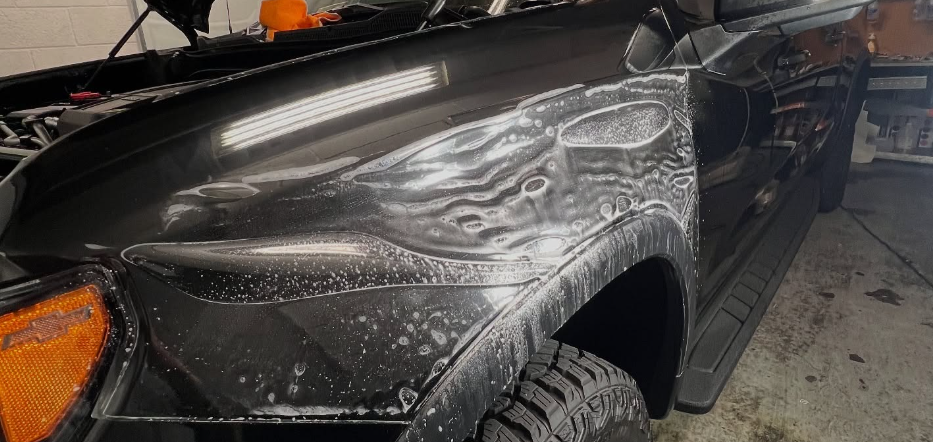
Paint protection film is one of the bigger investments you can make in your vehicle, which makes the longevity and value questions completely fair to ask. How long does it actually last? Does it really hold up the way installers promise? And does the math work out against the cost of paint repairs or lost resale value? Here's an honest, straightforward answer for drivers across the Baltimore area.
The Quick Answer
If you only have a minute, here's the bottom line on what quality paint protection film delivers in real-world conditions.
Typical lifespan of quality PPF with proper care and installation.
Common warranty coverage on premium films against yellowing and peeling.
A single panel repaint often exceeds the cost of front-end PPF coverage.
Quality PPF lasts 7 to 10 years or more, carries multi-year warranties, and almost always costs less over its lifespan than the paint repairs it prevents. That said, the actual experience varies based on the film you choose, how it's installed, where you drive, and how you maintain it. The rest of this article walks through each of those factors so you can make a confident decision.
How Long PPF Actually Lasts by Quality Tier
Not all paint protection film is created equal. The huge variation in lifespan claims (anywhere from 3 to 12 years across the market) comes down to material quality and what type of film you're actually buying. Here's the realistic breakdown.
Premium TPU films (7 to 12+ years). Top-tier films made from thermoplastic polyurethane with self-healing top coats and modern UV inhibitors. These are what reputable shops install and they're designed to stay clear, flexible, and protective for the full warranty period and often beyond. This is the category we work with.
Mid-tier films (5 to 8 years). Solid TPU films without all the premium features. Still meaningful protection, just shorter expected service life and sometimes lower-end self-healing performance.
Budget PVC films (2 to 5 years). Older-style PVC-based films. These are the ones that gave PPF a reputation for yellowing and cracking. They're still sold (typically online or through cut-rate installers) but they don't perform like modern film and they don't carry meaningful warranties. We never recommend these.
The price difference between budget PVC film and quality TPU film looks significant on day one, but it disappears entirely when you factor in lifespan. Quality film at 10 years of protection costs roughly the same per year as budget film that needs replacement after 3 to 4. There's no actual savings, just earlier replacement costs.
The 5 Factors That Determine How Long Your PPF Lasts
Two identical cars with the same film installed on the same day can show meaningfully different wear patterns five years later. Here's what drives the difference.
1 Film Quality and Material
The single biggest factor. Premium TPU films with modern UV inhibitors and self-healing top coats are designed to stay clear and stable for 7 to 10 or more years. Older PVC films or films without proper UV protection can start showing yellowing or hazing within just a few years. The brand and grade of film you choose sets the upper limit on what's possible.
2 Installation Quality
A perfectly engineered film installed poorly will fail early. Edges that aren't properly tucked lift over time. Imperfect surface prep causes adhesion failure. Improperly cut sections leave seams that collect dirt. Professional installation with computer-cut templates and meticulous prep is what allows premium film to actually deliver its warranty-period performance.
3 Environmental Exposure
Maryland's climate is moderate for PPF compared to extremes like Arizona heat or Minnesota road salt, but our four-season swings (humid summers, freeze-thaw winters, road brine on the Beltway) do put real stress on the film. Vehicles parked outside year-round wear faster than garage-kept vehicles. UV exposure, road salt, and temperature cycling all add up over years.
4 Driving Conditions and Impact Frequency
PPF protects by absorbing impacts. The more impacts it absorbs, the more wear it accumulates. A daily I-695 commuter dealing with constant gravel and debris will see the film working harder than a weekend driver. The film will still last for years, but heavy-impact zones may show more visible wear or warrant individual section replacement before the full warranty expires.
5 Maintenance and Care
This is the factor most within your control. Regular gentle washing with pH-neutral soap, prompt cleanup of bird droppings and sap, avoiding automatic brush car washes, and not using harsh chemicals or abrasive sponges all extend film life significantly. Neglected maintenance is one of the most common reasons PPF underperforms its warranty period.
Warning Signs Your PPF Is Reaching the End
Premium film usually gives clear visual signals before it fails completely. If you notice any of these, it's worth having an installer take a look.
Yellowing or Hazing
The clear film starts taking on a yellow or cloudy tint, especially visible on lighter paint colors. Usually a sign of UV degradation in older film or budget PVC product.
Edges Lifting or Peeling
The film starts pulling away at panel edges, seams, or curved sections. Usually indicates adhesive failure from age, or installation issues that have caught up over time.
Bubbling Underneath
Small bubbles appearing under the film, often along edges or where contaminants got trapped during install. Sometimes worsens with temperature swings.
Cracking or Brittleness
The film starts showing cracks, especially around impact spots or on curved surfaces. Once cracking starts, the protective function is compromised.
Self-Healing No Longer Works
Light swirl marks that used to disappear with sun exposure or warm water now stay visible. The top coat has degraded and the film is approaching the end of its useful life.
Visible Surface Damage
Deep gouges, chips that went all the way through, or sections that have absorbed significant impact damage. Individual sections can usually be replaced without redoing the entire film.
The good news is that section-by-section replacement is often possible. If your hood took a hit but the bumper still looks great, you don't have to redo everything at once.
The "Is It Worth It?" Question, Answered Honestly
This is the part where most articles either oversell PPF or dance around the answer. Here's the straight version: whether PPF is worth it depends entirely on a few specific things about your vehicle and how you drive it.
When PPF Is Almost Always Worth the Investment
You're keeping the vehicle long term
If you plan to own the car for 5+ years, PPF will likely outlast your ownership window and protect the paint that entire time. Spread across the years you own the vehicle, the cost per year is modest and the paint stays in original condition.
You commute serious highway miles
Daily driving on I-695, I-95, US-1, or the Baltimore Beltway means constant exposure to gravel, debris, and road salt. The math on PPF makes a lot of sense here: a single panel repaint can run into the thousands, and front-end coverage prevents many of them.
You own a new or high-value vehicle
On a new vehicle, factory paint condition directly affects resale and trade-in value years down the road. PPF preserves that factory finish. On luxury or performance vehicles, the cost is small relative to the value being protected.
The first rock chip would bother you
For some owners, the practical financial math is secondary to the emotional one. If you care about keeping the paint flawless and that first chip on the hood would genuinely bother you, PPF is the only product that prevents that from happening.
When the Value Is Less Clear
You'll trade the car in within a couple of years
If your ownership window is short, you may not realize the full lifespan value of the film. A ceramic coating may deliver better cost-per-year value in this scenario, since it still protects against most environmental threats at a fraction of the price.
The vehicle is older and the paint is already worn
PPF protects what's underneath it. If the paint is already showing significant age, oxidation, or damage, you're better off addressing that first with paint correction (and possibly repaint on the worst panels) than putting protective film over a finish that's already past its prime.
Your driving is mostly low-debris conditions
If you mainly drive in town, garage the car, and rarely encounter highway gravel, your rock chip risk is lower. A quality ceramic coating may handle your actual exposure profile at a more reasonable investment level.
The Cost Math Most Buyers Don't Run
The most common objection to PPF is the upfront cost. The most common reason that objection fades is when buyers actually run the numbers against what they'd otherwise spend on paint repair. Here's a realistic comparison.
| Scenario | With Quality PPF | Without PPF |
|---|---|---|
| Multiple rock chips on hood (10 years of highway driving) | Absorbed by film, paint untouched | Repaint cost: typically $1,500-$3,000+ |
| Front bumper scuffs and chips | Film replaced if needed | Bumper respray: typically $800-$1,500+ |
| Side mirror road rash | Mirror caps stay factory | Repaint or replacement: $200-$600 each |
| Resale or trade-in value | Factory paint condition preserved | Visible chip damage reduces value |
| Cost across ownership | One-time investment, protected for years | Repairs as damage occurs, often multiple events |
Pricing varies by shop, region, and the specific repair, but the directional math holds up: a couple of typical paint repair events over an ownership window usually equal or exceed the upfront cost of quality PPF coverage. PPF prevents the repairs entirely.
Most drivers don't budget for paint repairs. They happen, they get put off, the damage accumulates, and eventually it becomes a noticeable factor in resale value or trade-in offers. PPF turns an unpredictable, recurring cost into a single planned investment, which is part of why it pencils out for so many long-term owners.
How to Get the Maximum Lifespan from Your PPF
Once your PPF is installed, a few simple habits make the difference between getting 7 years of solid performance and getting 10 or more. The same care principles apply whether you have PPF, ceramic coating, or both together.
Wait the proper curing period before washing. Most installers recommend waiting about 7 days after installation before the first wash. The adhesive needs time to fully bond.
Hand wash with pH-neutral car shampoo. The same two-bucket method that protects coated paint also protects PPF. Avoid automatic brush washes, which can lift edges and damage the top coat.
Address contaminants quickly. Bird droppings, tree sap, and bug splatter should be cleaned off promptly. PPF gives you a wider window to react than bare paint, but it's not unlimited.
Avoid harsh chemicals and abrasive products. No degreasers, no acidic wheel cleaners on the body, no polishing compounds designed for paint. PPF-safe products only.
Consider a ceramic coating on top. A ceramic layer over PPF makes the film easier to clean, adds hydrophobic performance, and helps protect the top coat from chemical wear. Many drivers who do both report easier ongoing maintenance and visibly better long-term appearance.
For a fuller picture of how the two products work together, our guide on ceramic coating vs. PPF covers when each makes sense individually and when to use them together.
Considering PPF for Your Vehicle?
Bring your vehicle by our shop in Nottingham and we'll walk you through real options based on the film tier, coverage area, and how you actually drive. We'll give you straight pricing and a realistic expectation of what the protection will cost over its lifespan, not just upfront.
Call 410-663-8468Serving Baltimore County and Harford County
Frequently Asked Questions
Quality paint protection film typically lasts 7 to 10 years, with many premium films lasting longer with proper care. Mid-tier films generally last 5 to 8 years. Budget or PVC-based films may show wear within 3 to 5 years.
The actual lifespan depends on the film quality, installation quality, environmental exposure, and how the vehicle is maintained. Most premium films carry manufacturer warranties of 7 to 10 years against yellowing, cracking, and peeling.
For drivers who keep their vehicles long term, commute on highways with debris exposure, or own newer or higher-value vehicles, PPF is almost always worth the investment. The cost of repairing rock chip damage, repainting panels, or losing resale value to visible paint damage typically exceeds the cost of PPF installation, especially over a 7 to 10 year ownership window.
For drivers with short ownership cycles or low debris exposure, the value is less clear and a quality ceramic coating may deliver better cost-per-year protection.
Warranty is the manufacturer's coverage period, typically 7 to 10 years on premium films. It usually protects against yellowing, cracking, delamination, and adhesive failure.
Actual lifespan refers to how long the film continues to perform and look good in real-world conditions. A well-installed, well-maintained premium film often continues to perform well beyond its warranty period. A poorly maintained film, or one exposed to harsh conditions, may show wear before the warranty expires. The warranty is a minimum, not a maximum.
Quality PPF made of TPU (thermoplastic polyurethane) is designed to stay clear and stable for the full warranty period and beyond. The yellowing problem that older PPF was known for came from older PVC-based films and films without modern UV inhibitors.
Today's premium films are engineered to resist UV degradation and stay clear for many years. Self-healing top coats also keep the surface looking new by erasing minor swirl marks with heat.
Yes. When PPF reaches the end of its useful life, a professional installer can remove it cleanly using controlled heat and proper technique. The paint underneath, which has been protected from chips, UV exposure, and chemical etching the entire time the film was on, often looks better than the surrounding panels.
Individual damaged sections can also be replaced without removing the entire film, which is useful if a specific panel takes significant damage.
Yes. A vehicle with paint that's been protected by PPF generally retains noticeably better paint condition than an unprotected vehicle, which translates to a higher resale or trade-in value. The factory paint underneath stays free of rock chips, scratches, and oxidation.
For high-value vehicles or vehicles you plan to sell or trade later, the PPF can effectively pay for itself through preserved value.
Want a Quote or a Straight Answer?
Whether you're considering full front-end PPF, full-vehicle coverage, or just want to know if it makes sense for your specific vehicle, our team at Ideal Image Auto Salon will give you honest advice and clear pricing. We serve drivers across Nottingham, White Marsh, Perry Hall, Bel Air, and the surrounding Baltimore County and Harford County areas.
Ideal Image Auto Salon
7901 Belair Road, Nottingham, MD · 410-663-8468
This article is provided for general informational purposes only. Paint protection film performance, longevity, and pricing vary based on the specific product, installation, environment, and ongoing care. Repair cost estimates are approximate market ranges and vary by vehicle, damage extent, and shop. Always follow your installer's and the manufacturer's guidance for best results.