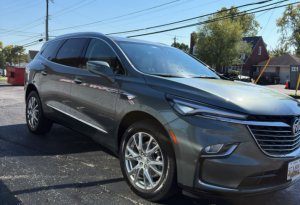
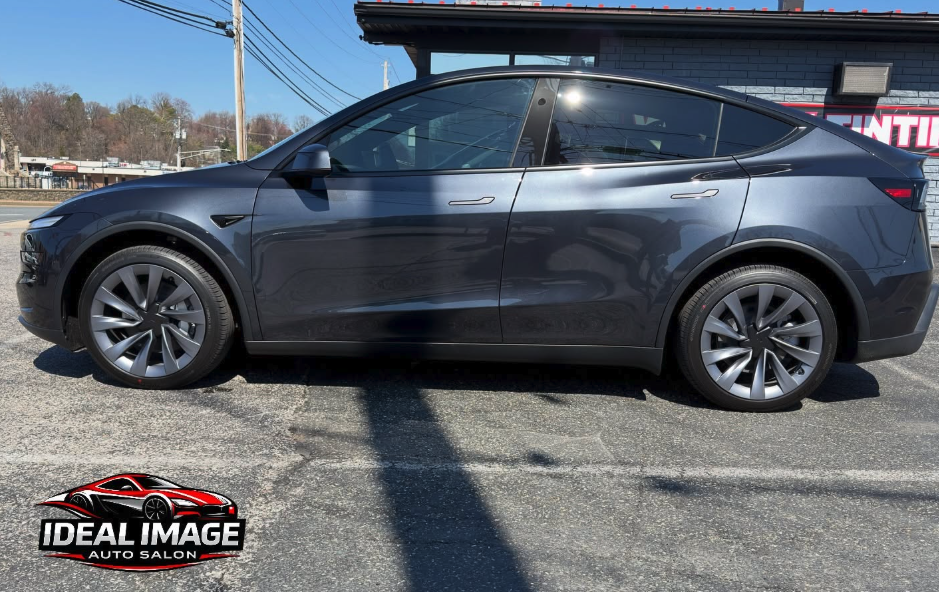
If you drive a Tesla or another EV, window tinting isn't just a cosmetic upgrade. It's one of the highest-return practical investments you can make in your vehicle. Because your climate control runs on the same battery that moves the car, every degree of extra cabin heat directly costs you range. Here's how the physics actually works, what real testing shows, and why ceramic film is essentially the only sensible choice for modern EVs.
Why EVs Are Different (And Why Heat Matters More)
Electric vehicles are not just gas cars with different powertrains. They're fundamentally different thermal environments. Three things make heat management uniquely important for EVs.
First, EVs use the same battery for everything. Every mile of driving and every minute of air conditioning draws from the same pack. In a gas car, waste heat from the engine handles cabin warming and the AC runs off engine power. In an EV, the climate system is a direct tax on your driving range.
Second, modern EVs have significantly more glass than conventional cars. Tesla's panoramic roof, Model X's oversized windshield, Rivian's expansive cabin, Lucid's Glass Canopy, the Mach-E's steep raked glass. These are gorgeous design features that also let in enormous amounts of solar energy.
Third, EV cabin overheat protection systems (like Tesla's Cabin Overheat Protection) actively run the climate system even when the vehicle is parked, draining battery to prevent interior damage from extreme heat.
Every degree of extra cabin heat costs you range. Preventing heat from entering is dramatically more efficient than fighting it after it does.
The Hidden Cost of Untinted Glass on an EV
The specific ways heat impacts EV ownership add up faster than most owners realize.
Range Loss in Hot Weather
Air conditioning is one of the largest auxiliary drains on any EV battery. In extreme heat, AC alone can reduce total range by 17% to 33%. On a 300-mile EV, that's 50 to 100 miles disappeared just to cool the cabin.
Vampire Drain While Parked
Tesla's Cabin Overheat Protection and similar EV systems keep climate running even when parked in high heat. On extreme days, this can drain several miles of range per hour just sitting in a lot.
Longer Precondition Cycles
When you precondition your Tesla before driving off, a hot cabin means longer AC run time to reach comfortable temperature. That's more battery spent before you've even left the parking spot.
Battery Cycling Stress
Hard climate control cycling adds thermal and electrical stress to the battery pack over time. Less AC demand means gentler battery cycling and better long-term pack health.
Interior Material Damage
Tesla's vegan leather, glass roof gaskets, dashboard plastics, and touch screens all degrade faster under sustained high heat and UV exposure. Interior fading and cracking hit resale value directly.
Passenger Comfort Loss
Getting into a 160+ degree Tesla in July isn't just uncomfortable. It's the specific pain point tint solves most dramatically. Cooler starting temperature means faster recovery to comfort.
What Real-World Testing Shows
The numbers make the case for ceramic tint concrete. Here's what testing on Tesla Model Y and similar EVs actually shows in hot weather conditions.
| Metric | Untinted EV | With Ceramic Tint |
|---|---|---|
| Cabin temp after 2 hrs in 95°F sun | ~167°F | ~127°F |
| Temperature reduction | Baseline | ~40°F cooler |
| AC recovery time to comfort | 18-22 min | 7-9 min |
| Range impact in 95°F+ heat | 25-30% loss | 10-15% loss |
| Range preservation (hot weather) | Baseline | 5-15% better |
| Infrared heat blocked | ~20-30% (factory glass) | 80-95%+ |
On a 300-mile EV in Maryland's summer heat, that 5% to 15% range preservation translates to 15 to 45 miles of additional real-world driving. Across a year of hot-weather commuting, ceramic tint can save you multiple charge cycles worth of energy just by reducing thermal load on the AC system.
Why Ceramic Is the Only Sensible Choice for EVs
For Tesla and modern EV owners, ceramic tint isn't just the best option. It's essentially the only appropriate option. Here's why other film types don't fit.
1 Zero Signal Interference
Ceramic particles are non-metallic and non-conductive. That means no interference with Tesla Autopilot cameras, GPS positioning, cellular connectivity, over-the-air software updates, keyless entry, or any of the wireless systems modern EVs depend on. Metallic and metalized tints can degrade all of these, which is why Tesla and other EV manufacturers strongly discourage them.
2 Superior Heat Rejection
Ceramic blocks 80% to 95%+ of infrared heat, which is what actually matters for cabin temperature. Carbon film blocks 40% to 60%. Dyed film blocks only 15% to 30%. For EVs where every degree costs range, the ceramic advantage is directly measurable in mileage.
3 Optical Clarity for Cameras
Tesla and other EVs rely on optical clarity through the windshield for Autopilot and ADAS systems to function properly. Ceramic film maintains higher clarity than any other technology, which is important for both driver visibility at night and system camera performance.
4 Longevity Matches EV Ownership
EVs tend to be kept longer than gas vehicles because the powertrain lasts longer. Ceramic film's 10+ year lifespan matches that ownership window. Cheaper films that fade or degrade within 3 to 5 years mean redoing the job before you're done with the car.
For a complete look at how ceramic compares to other film types, our guide on ceramic vs. carbon vs. dyed window tint covers the technology in more detail.
Recommended Tint Configurations by EV Model
Different EVs have different glass configurations and use cases. Here are the setups we typically recommend for the most common EVs in the Baltimore area, all using ceramic film.
Tesla Model 3 and Model Y
The most popular Teslas in the Baltimore market. Both have panoramic all-glass roofs that channel enormous solar heat, and both benefit dramatically from a full ceramic configuration. The Model Y's larger cabin makes tinting especially high-impact.
Tesla Model S and Model X
The premium Teslas with even more glass, especially the Model X with its massive panoramic windshield. Interior protection matters even more given the higher trim materials and cost.
Ford Mustang Mach-E
The steep raked windshield and available panoramic roof both concentrate heat inside the cabin. Ceramic tint is especially valuable on the roof, which lacks factory heat rejection.
Rivian R1T and R1S
Large glass areas and adventure use cases mean the interior takes serious heat and UV exposure. Rivian owners tend to spend more time in remote areas parked in direct sun, making tint particularly valuable.
Lucid Air
The Glass Canopy is one of the largest single glass panels in production. Ceramic film on the canopy is essentially mandatory for real cabin comfort in Maryland summers.
Hyundai Ioniq 5 / Kia EV6 / Genesis GV60
The E-GMP platform vehicles have large glass roofs and modern cabin materials that benefit significantly from proper heat rejection. Growing popularity means increasing tint demand for these models.
The Panoramic Glass Roof: The Biggest Single Win
If there's one part of an EV where ceramic tint delivers the most dramatic benefit, it's the panoramic glass roof. Here's why it matters so much.
The roof is the largest continuous glass surface on most EVs and gets direct overhead sun exposure all day. Tesla's factory roof glass includes some UV filtering but limited heat rejection, which means most of that solar energy transmits directly into the cabin. Adding ceramic film to the roof glass, even at a lighter shade like 50% or 70% VLT, blocks the majority of that infrared heat while preserving the open, airy feel that's a big part of why owners love the panoramic design in the first place.
The financial and comfort payback on roof tint alone is often bigger than any other single window. Many EV owners who start with front side windows come back specifically to add the roof after their first summer without it.
You can mix VLTs by window on an EV. A common approach is darker ceramic on the fronts and rear for privacy and heat rejection, plus a lighter ceramic (50 or 70% VLT) on the panoramic roof to maintain the visual openness while still blocking most of the heat.
Beyond Range: What Else Ceramic Tint Delivers on an EV
Range preservation is the headline benefit, but ceramic tint on an EV also delivers meaningful value in several other ways.
Interior preservation. Tesla's vegan leather, dashboard materials, and center screens are all vulnerable to UV degradation. Ceramic film blocks 99% of UV rays, which dramatically slows the aging of every interior surface. Given that EVs tend to be kept for longer ownership windows, this interior protection compounds. For more detail on how UV specifically damages interiors, see our guide on summer UV damage on dashboards and leather.
Battery health over time. Reducing how hard the climate system has to work means less overall battery cycling, which contributes to long-term pack health. The battery is the single most valuable component in the vehicle, so anything that reduces its stress is worth doing.
Faster preconditioning. When you tell your Tesla to precondition the cabin before you leave the office in Nottingham, White Marsh, or Bel Air, a cooler starting temperature means the AC reaches target faster and uses less energy doing so. That's especially valuable if you're on limited charging infrastructure.
Resale value protection. The interior condition on a used EV directly affects buyer perception. A well-preserved cabin with intact vegan leather and unfaded materials commands measurably better trade-in and private-sale prices than a sun-damaged one.
Maryland-Specific Considerations for EV Owners
Baltimore County has a growing EV owner population, and Maryland's specific climate and legal framework shape the right approach.
Legal limits apply the same way. Maryland caps sedan front side windows at 35% VLT regardless of vehicle type. Tesla Model 3, S, and other sedan-classified EVs all fall under this. SUV-classified EVs (Model Y, Model X, Rivian R1S, Mach-E, etc.) can go significantly darker on rear side windows and rear glass. For the full legal picture, see our Maryland window tint laws guide.
Summer commuting on I-695 and I-95. Long highway drives in direct summer sun are where the range difference shows up most clearly. If you commute a significant distance daily, ceramic tint pays back faster than for shorter city drivers.
Winter still matters. Maryland winters affect EV range through cold-weather battery physics and cabin heating. Ceramic tint helps in winter too by retaining heat inside the cabin (the same infrared blocking works both directions), which means the heater doesn't have to work as hard on cold mornings.
Charging infrastructure planning. If you're planning long drives on Maryland's growing EV corridor (Baltimore to DC, up to Delaware, or across to the Eastern Shore), any range preservation from tinting reduces charging stop frequency during hot weather. That's real convenience beyond the raw efficiency numbers.
For more on how darkness relates to heat rejection performance, our guide on window tint privacy vs. heat rejection covers the trade-offs in detail.
Ready to Protect Your EV Investment?
Our shop in Nottingham has experience tinting Teslas, Rivians, Lucids, Mach-Es, and every major EV on the road today. We install ceramic film specifically chosen for EV performance and work carefully around cameras, sensors, and glass roof geometry. Call for a quote or bring your vehicle by for a real assessment.
Call 410-663-8468Serving Baltimore County and Harford County
Frequently Asked Questions
Yes, meaningfully. Air conditioning is one of the largest drains on an EV battery, and in hot weather it can reduce range by 15% to 30%. Quality ceramic window tint blocks 80% to 95% of infrared heat, dramatically reducing how hard the AC has to work to cool the cabin.
Real-world testing shows tinted EVs preserve 5% to 15% more range in hot weather compared to untinted vehicles. The savings compound over time and get more significant on long drives or during heat waves.
Ceramic film is the recommended choice for Tesla and other EVs. Ceramic tint blocks the highest percentage of infrared heat (80% to 95%+), maintains crystal-clear visibility, and is completely non-metallic, which means zero interference with Autopilot cameras, GPS, cellular, keyless entry, or any other Tesla electronic systems.
Metallic tints are strongly discouraged for Teslas because they can degrade signal performance for the vehicle's advanced systems.
Ceramic tint does not interfere with Autopilot cameras, ADAS sensors, GPS, or any Tesla electronic systems. Ceramic particles are non-metallic and non-conductive. However, tint should never be applied directly over camera or sensor housings, and professional installers know to leave appropriate clearance.
Metallic and metalized films are the ones that cause signal issues and should be avoided entirely for Teslas and other modern EVs.
In hot weather, ceramic-tinted EVs run 20 to 40 degrees Fahrenheit cooler inside than untinted vehicles after prolonged sun exposure. In real-world testing on a 95-degree day, an untinted Tesla Model Y reached interior temperatures of around 167°F after 2 hours parked in sun, while the same vehicle with ceramic tint reached only 127°F.
That temperature difference dramatically reduces how much energy the AC has to spend cooling the cabin down to a comfortable driving temperature.
For maximum heat rejection, yes. The panoramic roof is the largest heat entry point on Model 3 and Model Y and gets direct overhead sun exposure. Tesla's factory glass includes some UV filtering but limited heat blocking. Adding ceramic film to the roof, typically at 50% or 70% VLT to maintain the open, airy feel, significantly reduces cabin heat gain.
Many Tesla owners consider roof tint the highest-impact single addition for cabin comfort and range preservation.
Maryland caps sedan front side windows at 35% VLT. Most Tesla owners in Maryland use 35% ceramic on front side windows (Maryland's legal maximum darkness), 20% to 35% on rear side windows and rear windshield, and a lighter 50% to 70% ceramic on the panoramic roof to keep the open feel while still blocking significant heat.
The exact configuration depends on your vehicle, preferences, and how you use it.
Have Questions About Your Specific EV?
Every EV is different, and every driver has different priorities. Give us a call or stop by our Nottingham shop, and we'll walk you through ceramic film options, VLT combinations, and pricing built around your vehicle. We serve EV owners across Nottingham, White Marsh, Perry Hall, Bel Air, and the surrounding Baltimore County and Harford County areas.
Ideal Image Auto Salon
7901 Belair Road, Nottingham, MD · 410-663-8468
This article is provided for general informational purposes only. Range preservation percentages and cabin temperature reductions reflect industry testing and real-world results but vary based on vehicle, film, installation, driving conditions, and environmental factors. All tint installations must comply with Maryland Transportation Code §22-406. Never apply film over Tesla Autopilot cameras or sensor housings.