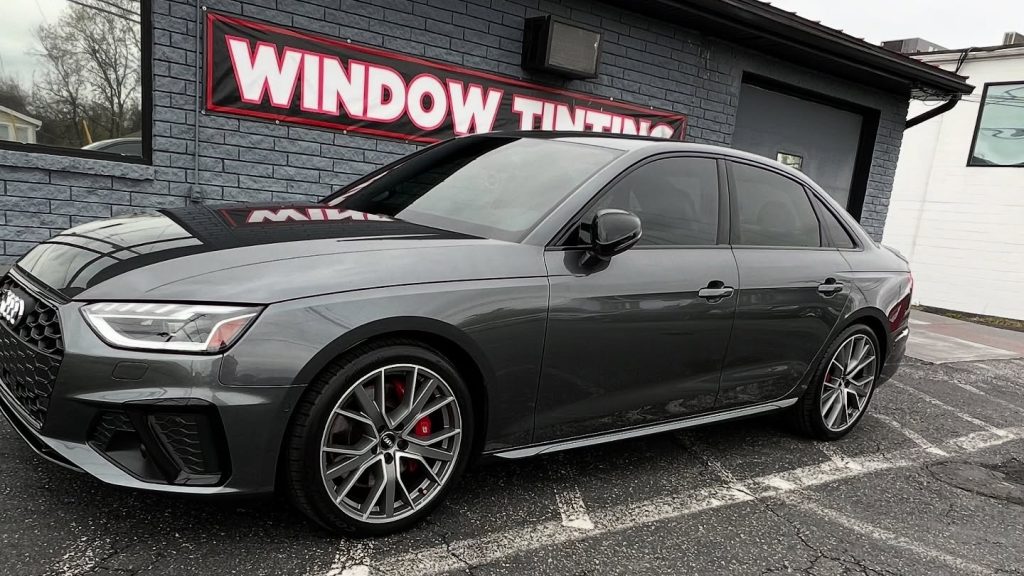
Ceramic coating is a multi-year investment that protects your paint from UV, chemicals, contamination, and daily wear for years. Getting it done right the first time matters, and one of the biggest factors in that outcome is when you install it. Most drivers think summer is the obvious time (the sun is intense, the paint feels hot, coating seems like a summer product). But fall is actually the ideal application window, and the reasons go well beyond just install day. Here's why September and October are the smartest months to book ceramic coating in Maryland.
Why Timing Matters More Than Most Drivers Realize
Ceramic coating isn't like wax. Wax gets applied by hand, wears off in a few months, and forgives most installation conditions. Ceramic coating is a chemical bonding process where liquid ceramic compound cures into a semi-permanent glass-like layer that bonds directly to your clear coat. That bonding process is precise, temperature-dependent, and permanent for years once complete.
This means the conditions during application and curing directly affect how well the coating performs and how long it lasts. A coating applied in ideal conditions with proper cure time can outperform the same product applied in poor conditions by years. Same coating, same shop, dramatically different outcomes based on when you booked.
Fall delivers the specific combination of temperature, humidity, and timing that maximizes both installation quality and long-term coating performance. Here's why.
A ceramic coating protects your paint for years. When you install it determines how well it performs for those years. Fall's conditions produce the best outcomes.
The Science: Why Fall Conditions Are Ideal
Ceramic coating cures through a chemical process that requires specific environmental conditions to complete correctly. Most professional ceramic coatings specify an application temperature range of 50 to 80 degrees Fahrenheit with humidity below 60 percent. Baltimore's fall weather (mid-September through late October) sits squarely in this range on most days.
Summer heat causes coating to flash cure too quickly, which prevents proper leveling and can create visible high spots that require correction (essentially applying more coating to level the first application). High summer humidity also introduces moisture into the curing process, which can cloud the finish or cause hazing.
Winter cold slows curing dramatically. A coating that would normally reach initial cure in 24 hours can take 48 to 72 hours in cold conditions, and full cure can extend from 7 days to 3 weeks. During this extended cure window, the vehicle is vulnerable to any contamination that bonds to the still-curing surface. In Maryland's winter, that means salt, brine, and road debris hitting a coating that hasn't finished bonding to the paint yet.
Here's how each season stacks up for the specific factors that affect ceramic coating application quality and long-term performance.
| Season | Application | Cure Conditions | Overall |
|---|---|---|---|
| Spring | Good temperatures | Humid, rainy | Good but variable |
| Summer | Too hot, flash cures | Humid | Difficult conditions |
| Fall | Ideal temperatures | Low humidity, stable | Best of any season |
| Winter | Too cold, slow cure | Salt exposure risk | Not recommended |
The Six Reasons Fall Wins for Ceramic Coating
Beyond ideal application conditions, fall delivers a specific set of advantages that make it the smartest booking window of the year. Here's the full case.
1 Ideal Application and Cure Conditions
Fall temperatures and humidity levels fall squarely in the range coating manufacturers specify for proper bonding and curing. No fighting summer heat that causes flash curing and high spots. No battling winter cold that extends cure time to weeks. The coating cures the way it was designed to, which produces the finish quality and longevity you paid for.
2 Full Cure Before Winter Arrives
A fall coating application completed by mid-October has 4 to 6 weeks of full cure time before Maryland's first salt treatments hit the roads. This matters because a fully cured coating can handle winter chemicals, salt spray, and freeze-thaw stress without any concerns. A coating still curing when winter arrives faces added risk during its most vulnerable period.
3 Paint Is at Its Cleanest Reset Point
By early fall, a professional detail can remove all the summer contamination that has built up on your paint (bug splatter, sap, bird dropping etches, pollen, brake dust). Ceramic coating then locks in the paint at its cleanest, best-corrected state. Applying in summer means locking in whatever damage summer has already done. Applying in spring means locking in whatever winter damage exists.
4 Winter Protection From Day One
Fall coating delivers protection through winter salt and brine, spring pollen and rain, summer UV and contamination, and back through the next winter. You get a full 12 months of coating benefits from year one, versus a spring application that only benefits from the following winter forward.
5 Better Booking Availability
Summer is peak coating demand season when heat-focused drivers rush to book. Fall calendars typically have more flexibility, especially in September and early October. You get more choice on appointment time, more thorough consultation, and less competition for the specific installer you want.
6 Bundling With Other Fall Services
Fall is the ideal window for full detailing, paint correction, PPF, and ceramic coating. Booking these together in one coordinated visit saves money (paint prep overlaps between services), delivers better outcomes (each service builds on the previous), and gets your entire winter protection strategy handled in one appointment.
The Cure Timeline That Winter Makes Impossible
To understand why fall timing matters so much, look at what a proper ceramic coating install actually requires from start to finish. Every step needs specific conditions to happen correctly.
Day 1: Decontamination and Paint Correction
Full wash, iron remover, tar remover, clay bar decontamination, and paint correction to remove swirl marks and defects. This can take 4 to 8 hours depending on paint condition. Requires stable indoor conditions and time for chemical dwell periods.
Day 1-2: Coating Application
Ceramic compound applied panel by panel in a temperature-controlled environment. Each panel is wiped after specific flash times that depend on temperature and humidity. Application typically takes 3 to 6 hours for full vehicle coverage.
Days 2-3: Initial Cure
The vehicle must remain in a controlled environment (ideally indoors) for 24 to 48 hours after application. During this window, the coating cannot be exposed to water, contamination, or temperature extremes. This is where fall's stable conditions matter most.
Days 3-14: Full Cure
The coating continues bonding to the paint for up to 2 weeks after initial cure. During this period, the vehicle should avoid harsh washing, rain exposure when possible, and contamination. Fall's dry, moderate weather makes this cure window comfortable.
This 2-week cure window is the specific reason winter installation is problematic. A coating applied in early November needs to cure through the same weeks when Maryland salt trucks are actively treating roads. Any exposure to salt during that cure period can compromise the coating's bond strength for its entire lifespan. Fall installation eliminates this risk entirely.
A fall-applied coating typically reaches full cure by early November, well before winter driving begins. A November-applied coating is still curing during the first significant salt storms. Same coating, same shop, dramatically different long-term outcomes based on that timing difference.
What Fall-Applied Coating Actually Delivers
When ceramic coating is applied in ideal fall conditions with proper prep, the resulting protection performs at the top of its rated capabilities. Here's what you get.
Full Hydrophobic Performance
Water beads and sheets off the surface, taking dirt and contamination with it. Coating applied in ideal fall conditions typically produces stronger hydrophobic behavior that lasts longer than coating applied in less ideal conditions.
Chemical Resistance Ready for Winter
A fully cured coating blocks salt, brine, and de-icing chemicals from reaching paint. This is the coating's most important winter benefit and requires full cure to work at maximum strength.
Multi-Year UV Protection
Ceramic coating blocks UV rays that oxidize paint and fade color over years. Fall application locks in this protection before winter's low-angle sun and next summer's peak UV exposure both begin.
Easier Winter Washing
Salt and brine residue rinses off coated paint far more easily than bare clear coat. This makes maintenance washing through winter significantly faster with less risk of wash-induced marring.
Locked-In Corrected Finish
Any paint correction done before coating application is preserved for the coating's multi-year lifespan. Fall is the ideal window because summer contamination has been removed and winter damage has not yet accumulated.
Long-Term Value
A properly applied, fully cured ceramic coating typically lasts 3 to 7+ years depending on tier. Coating applied in ideal fall conditions typically reaches the upper end of its rated lifespan, delivering better return per year than the same coating applied in poor conditions.
For a deeper look at how ceramic coating specifically supports winter driving, our guide on ceramic coating for winter protection covers the mechanism in detail.
The Realistic Fall Ceramic Coating Calendar
Here's the honest month-by-month reality for booking ceramic coating in Maryland. Working backward from the first typical salt treatment, the timing math tells you when to book.
The Fall Ceramic Coating Booking Window
Why Fall Coating Beats Spring Coating
Spring is often cited as the second-best time to apply ceramic coating, and it is genuinely a good window. But fall consistently wins the comparison for several specific reasons that matter for Maryland drivers.
Cure conditions. Spring in Maryland tends to be wetter and more humid than fall. Rain interrupts curing, and higher humidity can cloud coating finishes. Fall's typically dry, stable weather produces more consistent results.
Protection cycle. Fall coating protects through winter (the harshest paint threat), then continues through spring and summer. Spring coating misses that critical winter protection window entirely and doesn't fully deliver until the following year.
Prep timing. Fall lets you address summer contamination before applying coating. Spring means addressing winter salt damage first, which can require more extensive correction work before coating can be applied properly.
Booking pressure. Spring coating demand spikes as drivers see winter damage and want to protect the newly cleaned paint. Fall demand is lower and better-distributed, giving you more scheduling flexibility.
Because ceramic coating locks in your paint's current condition for years, paint correction before coating is almost always the right call. A summer of daily driving on I-695, I-95, or US-1 produces enough swirl marks and light defects that a one-step or two-step correction meaningfully improves the coated finish. Our guide on paint correction explained covers what level is right for your paint.
What to Look for When Booking Fall Coating
Fall's ideal conditions matter, but the shop matters more. Here's what to look for when choosing where to book your fall ceramic coating.
Climate-controlled indoor bays. Even in ideal fall weather, quality coating installation happens in temperature-controlled indoor environments to eliminate variables. The shop should have dedicated coating bays separate from general wash and detail areas.
Quality coating products. Cheap ceramic coatings deliver a fraction of the performance and lifespan of quality products. Look for shops using established professional-grade coatings with clear warranty terms. Our guide on why DIY ceramic coating kits disappoint covers the difference between consumer and professional products.
Proper prep process. A quality installation includes thorough decontamination, paint correction assessment, and appropriate prep before any coating touches the paint. Shops that rush this step produce coatings that fail early or lock in defects.
Clear cure guidance. A quality installer explains exactly what to expect during the cure period, including how to care for the vehicle in the first 2 weeks and the ongoing maintenance that preserves coating performance. Our guide on how to wash a ceramic coated car covers the maintenance side.
Honest tier recommendations. Coating comes in tiers (3-year, 5-year, 7-year+). A quality shop recommends the right tier for your specific vehicle, driving habits, and how long you plan to keep the car. Not every driver needs the top tier, and a shop that always upsells to the most expensive option is a shop to avoid.
Fall coating works even better when combined with the other services in a comprehensive winter prep strategy. Our guide on getting ready for winter covers how coating fits alongside PPF, detailing, and other fall protection services for maximum benefit.
Maryland Specifics for Fall Ceramic Coating
A few Baltimore area factors specifically shape fall coating decisions.
Baltimore's fall weather predictability. Baltimore's fall weather is unusually reliable compared to spring, with September and October typically delivering 3 to 4 weeks of nearly ideal application conditions. This makes fall booking easier to plan around and produces more consistent outcomes than spring.
Highway commuting damage rate. Daily driving on I-695, I-95, US-1, or I-83 during Maryland winters exposes paint to concentrated salt, brine, and rock chip damage. Coating applied before winter blocks the chemical damage entirely and makes the paint significantly more resistant to daily wear.
Freeze-thaw cycle exposure. Baltimore winters aren't consistently cold. The frequent freeze-thaw pattern is actually more damaging to unprotected paint than sustained cold, because it repeatedly stresses any moisture trapped in tiny paint defects. Ceramic coating prevents this cycle from causing damage by keeping moisture from reaching paint in the first place.
Coating cure timing before salt trucks. Maryland DOT typically applies salt and brine treatments starting in early to mid November. A coating applied by mid-October has 4+ weeks of full cure before this exposure begins. A coating applied in late November or December has zero margin.
For thinking about how ceramic coating compares to PPF for winter protection specifically, our guide on ceramic coating vs. PPF covers when each makes sense and when combining them delivers more than either alone.
Book Your Fall Ceramic Coating While Conditions Are Ideal
Bring your vehicle by our shop in Nottingham while fall weather still delivers ideal application and cure conditions. We'll assess your paint, discuss coating tier options, and give you a clear timeline. No pressure, no upsell to a tier your vehicle doesn't need.
Call 410-663-8468 Book OnlineServing Baltimore County and Harford County
Frequently Asked Questions
Fall is widely considered the best time to apply ceramic coating, with spring as a close second. Fall's moderate temperatures (typically 50 to 75 degrees) and lower humidity create ideal application conditions and allow the coating to cure properly before winter arrives.
Applying in fall means your paint is protected before Maryland's first salt treatments, and the coating has full cure time to reach maximum performance before harsh weather begins. Summer heat can cause coating to flash cure too quickly, creating high spots and uneven application, while winter cold slows curing dramatically.
Initial cure time for ceramic coating typically ranges from 24 to 48 hours before the vehicle can be safely driven in normal conditions. Full cure takes 7 to 14 days depending on the coating product, environmental conditions, and installation method.
During this cure window, the vehicle should avoid rain, washing, and exposure to contaminants that can bond to the still-curing surface. Fall's moderate conditions produce cure times at the shorter end of this range, while winter installations often extend cure times by several days.
Ceramic coating can be applied in cold weather when the work happens in a temperature-controlled indoor environment maintained at the manufacturer's specified range (typically 65 to 75 degrees). However, the vehicle needs to be brought to proper temperature before application, and the coating needs to cure in similar conditions afterward.
If the vehicle has been exposed to salt or brine before installation, extensive prep work is needed. This is why fall installation is preferred: outdoor temperatures still allow easier vehicle temperature normalization, and there is no salt exposure to complicate paint preparation.
Ceramic coating locks in whatever condition your paint is in at the time of application, for years. Applying in fall means the coating protects paint that has been fully decontaminated after summer contamination (bug splatter, sap, pollen, brake dust) but before winter damage accumulates.
The coating then handles winter salt, brine, freeze-thaw cycles, and rock chip attempts for its multi-year lifespan. Applying in spring means missing an entire winter of protection. Applying in summer means the coating locks in whatever summer damage the paint already has.
In most cases, yes. Ceramic coating amplifies whatever is on the paint at the time of application. Any swirl marks, light scratches, water spots, or defects present when the coating cures will be preserved for the multi-year life of the coating.
Paint correction removes these defects first, ensuring the coating protects paint in its best possible condition. A summer of daily driving typically produces enough defects that at least a one-step correction is worth doing before fall coating application. A responsible shop assesses your paint and recommends the appropriate correction level.
Professional ceramic coating typically lasts 3 to 7 years or more, depending on the coating tier, application quality, and ongoing maintenance. A fall application in ideal conditions with proper prep typically achieves the upper end of the coating's rated lifespan because the application environment allows maximum bonding and full cure.
Coating quality declines somewhat when applied in less ideal conditions like summer humidity or winter cold. Ongoing maintenance (proper washing technique, avoiding harsh chemicals) is what determines whether a coating lasts 3 years or 7 years.
Questions About Your Specific Vehicle?
Every vehicle has different coating needs based on how you drive, where you park, and how long you plan to keep it. Give us a call or stop by our Nottingham shop, and we'll walk through the options and give you a clear quote. We serve drivers across Nottingham, White Marsh, Perry Hall, Bel Air, and the surrounding Baltimore County and Harford County areas.
Ideal Image Auto Salon
7901 Belair Road, Nottingham, MD · 410-663-8468
This article is provided for general informational purposes only. Cure times, coating performance, and installation recommendations vary by product, vehicle, and specific environmental conditions. Professional consultation is recommended for any specific ceramic coating installation.