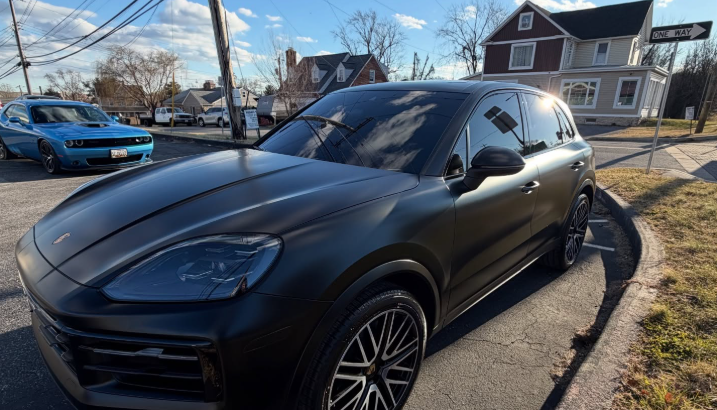
Maryland Window Tint Laws in 2026: What's Legal and What You Need to Know
Everything Maryland drivers need to know before getting their windows tinted — VLT limits, restricted colors, fines, medical exemptions, and more.
Thinking about getting your car windows tinted in Maryland? Before you book an appointment, you need to understand the state's window tint laws. Maryland regulates how dark, how reflective, and even what color your window tint can be. Break the rules, and you're looking at fines up to $500 and a failed vehicle inspection.
This guide covers everything Maryland drivers need to know about legal window tint in 2026, including VLT percentages, restricted colors, medical exemptions, and how neighboring state laws compare. Whether you drive a sedan, SUV, or truck, you'll know exactly what's allowed before you visit a tint shop.
What Is VLT and Why Does It Matter?
VLT stands for Visible Light Transmission. It measures the percentage of sunlight that passes through your window tint and glass combined. A higher VLT number means more light gets through and the window appears lighter. A lower number means less light and a darker appearance.
Maryland's tint laws are built around VLT percentages. Law enforcement officers carry portable tint meters that measure VLT on the spot during traffic stops and vehicle inspections. Even a few percentage points over the legal limit can result in a citation.
Maryland Window Tint Laws for Sedans and Coupes
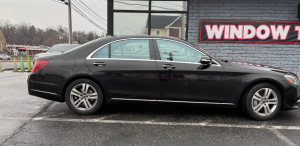
Passenger cars — including sedans, coupes, convertibles, and station wagons — follow the strictest tint rules in Maryland. Every window on the vehicle must allow a minimum of 35% visible light transmission.
| Window Position | Legal VLT Limit |
|---|---|
| Windshield | Non-reflective tint on top 5 inches only |
| Front Side Windows | 35% VLT minimum |
| Rear Side Windows | 35% VLT minimum |
| Rear Window | 35% VLT minimum |
The 35% rule applies across the board for sedans. That means the front driver and passenger windows, the rear side windows, and the rear windshield all share the same limit. You cannot go darker on the back of a sedan the way you can with an SUV or truck.
Maryland Window Tint Laws for SUVs, Trucks, and Vans
Multipurpose vehicles — including SUVs, pickup trucks, and vans with a GVWR of 10,000 pounds or less — get more flexibility on rear windows. The front windows still follow the same 35% rule, but the rear of the vehicle can go as dark as you want.
| Window Position | Legal VLT Limit |
|---|---|
| Windshield | Non-reflective tint on top 5 inches only |
| Front Side Windows | 35% VLT minimum |
| Rear Side Windows | Any darkness allowed ✓ |
| Rear Window | Any darkness allowed ✓ |
This is a significant advantage for SUV and truck owners. You can install 5% "limo tint" on the rear side windows and rear windshield for maximum privacy and heat rejection, as long as the two front side windows stay at 35% VLT or lighter.
Windshield Tint Rules in Maryland
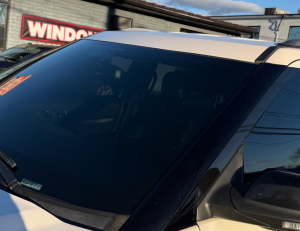
Maryland allows non-reflective window tint on the windshield, but only above the AS-1 line or within the top 5 inches of the glass, whichever measurement is less. This strip — sometimes called a "visor strip" or "sun strip" — is designed to block direct overhead sun without obstructing your view of the road.
You cannot apply aftermarket tint below that line on the windshield. The tint in the visor strip area must be non-reflective. Most drivers choose a dark 5% VLT strip for maximum glare reduction in this zone.
Restricted Tint Colors and Reflectivity
Maryland doesn't just regulate how dark your tint is. The state also restricts certain tint colors and finishes.
Reflective tint: Metallic, mirrored, and reflective window tint is not allowed on any vehicle window. This applies to both sedans and SUVs. Reflective tint creates dangerous glare for other drivers.
Standard automotive tint films in shades of charcoal, black, or neutral gray are all acceptable. Ceramic tint films are fully legal since they reject heat without using metallic particles.
Certification and Sticker Requirements
Maryland requires that window tint film manufacturers certify the film they sell in the state. When you have tint installed, a sticker identifying the tint as legal should be placed between the film and glass on each tinted window. This sticker helps law enforcement confirm your tint meets state standards during inspections.
Always ask your installer whether the film they use is certified for Maryland. A reputable shop will only use certified products and will apply the required identification sticker as part of the installation.
Medical Exemptions for Darker Tint in Maryland
Maryland offers medical exemptions for drivers who need darker window tint due to a health condition. Conditions like lupus, photosensitivity, melanoma, and other skin or eye conditions may qualify.
To obtain a medical exemption, you need a written certification from a licensed Maryland physician. This certification must be submitted to and authorized by the Maryland State Police Automotive Safety Enforcement Division (ASED). Once approved, you can legally apply darker tint than the standard 35% VLT limit.
Fines and Penalties for Illegal Window Tint
Driving with illegal window tint in Maryland can result in a traffic citation with fines ranging from $50 to $500. Beyond the fine itself, illegal tint will also cause your vehicle to fail its Maryland safety inspection. You'll need to remove or replace the tint before the vehicle can pass.
Police officers routinely check tint during traffic stops using handheld tint meters that give an instant VLT reading. Enforcement is common, especially in Baltimore County and along major highways like I-95 and I-695.
The cost of removing illegal tint and having it redone legally almost always exceeds the cost of getting it done right the first time. Working with a professional installer who knows Maryland law saves you money and hassle.
How Maryland Tint Laws Compare to Neighboring States
If you commute across state lines or travel regularly to D.C., Virginia, Pennsylvania, or Delaware, it's worth knowing how their tint laws differ. Tint that's perfectly legal in Maryland could get you pulled over in another state.
| State | Front Side | Rear Side | Rear Window |
|---|---|---|---|
| Maryland | 35% VLT | 35% (sedan) / Any (SUV) | 35% (sedan) / Any (SUV) |
| Washington D.C. | 50% VLT | 50% VLT | 50% VLT |
| Virginia | 50% VLT | 35% VLT | 35% VLT |
| Pennsylvania | 70% VLT | 70% VLT | 70% VLT |
| Delaware | 70% VLT | 70% VLT | 70% VLT |
Maryland's 35% limit is actually more lenient than D.C. (50%), Virginia's front windows (50%), and Pennsylvania (70%). But if you regularly drive into those areas, keep in mind that you can be cited for violating another state's tint laws even if your tint is legal in Maryland. At 35% VLT, you're generally safe in all neighboring states except Pennsylvania, which has very strict rules.
Types of Window Tint Film That Are Legal in Maryland
Not all window tint films are created equal. Here's how the most common types compare — all of these are legal in Maryland as long as they meet the VLT and reflectivity requirements.
Dyed Film
Most affordable option. Clean dark look with some glare reduction. Less heat rejection and can fade to purple over time.
Carbon Film
Carbon particles block heat and UV without metallic appearance. Won't interfere with electronics or GPS. Better color stability.
Ceramic Film
Premium choice. Blocks up to 80% of infrared heat and 99% of UV rays. Non-metallic, non-reflective — fully compliant with MD law.
At Ideal Image Auto Salon, we install ceramic window tint that lets you block serious heat while staying well within Maryland's legal limits. You don't need to go illegal-dark to stay cool.
Common Mistakes That Lead to Illegal Tint
Frequently Asked Questions
Get Your Windows Tinted the Right Way
Our team at Ideal Image Auto Salon measures your factory glass, recommends the right film for your vehicle, and installs only Maryland-certified tint. Located at 7901 Belair Road in Nottingham, MD — serving Baltimore County, Harford County, and the greater Baltimore area.
Book Your AppointmentDisclaimer: Window tint laws can change and may be interpreted differently by local authorities. This article reflects Maryland law as of early 2026. We recommend confirming current regulations with your local DMV or the Maryland State Police if you have specific questions about your vehicle.